-
 Together, improving birth outcomes for all.
 -
 Bioservices
 -
 Our projects span the research spectrum, from basic science to translation and implementation
How We Make Every Birth Count
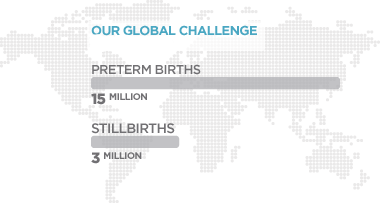
GAPPS strives to reduce the burden of preterm birth and stillbirth by advancing collaborative research to identify, develop, and implement evidence-based solutions. Collaboration drives our work. We bring together people from different fields to generate innovative approaches to understanding pregnancy, preterm birth and stillbirth. We advocate for evidence driven treatment, but know that ultimately, prevention is key. Only by preventing preterm birth and stillbirth can we make significant progress toward having every birth be a healthy birth.
